
Building a new home is one of the most significant financial commitments most Western Australians will make. While the majority of new homes today are built to an acceptable standard, it is not uncommon for defects to emerge—some minor and cosmetic, others more serious and requiring technical evaluation. Understanding the most frequent issues encountered during handover inspections and early occupancy helps owners know what to look for and when to seek independent advice.
Below are ten common defects identified in newly constructed WA homes, and how they are typically assessed against the National Construction Code (NCC), Australian Standards and accepted construction practice.
1. Cracking to Internal Walls, Ceilings and Cornices
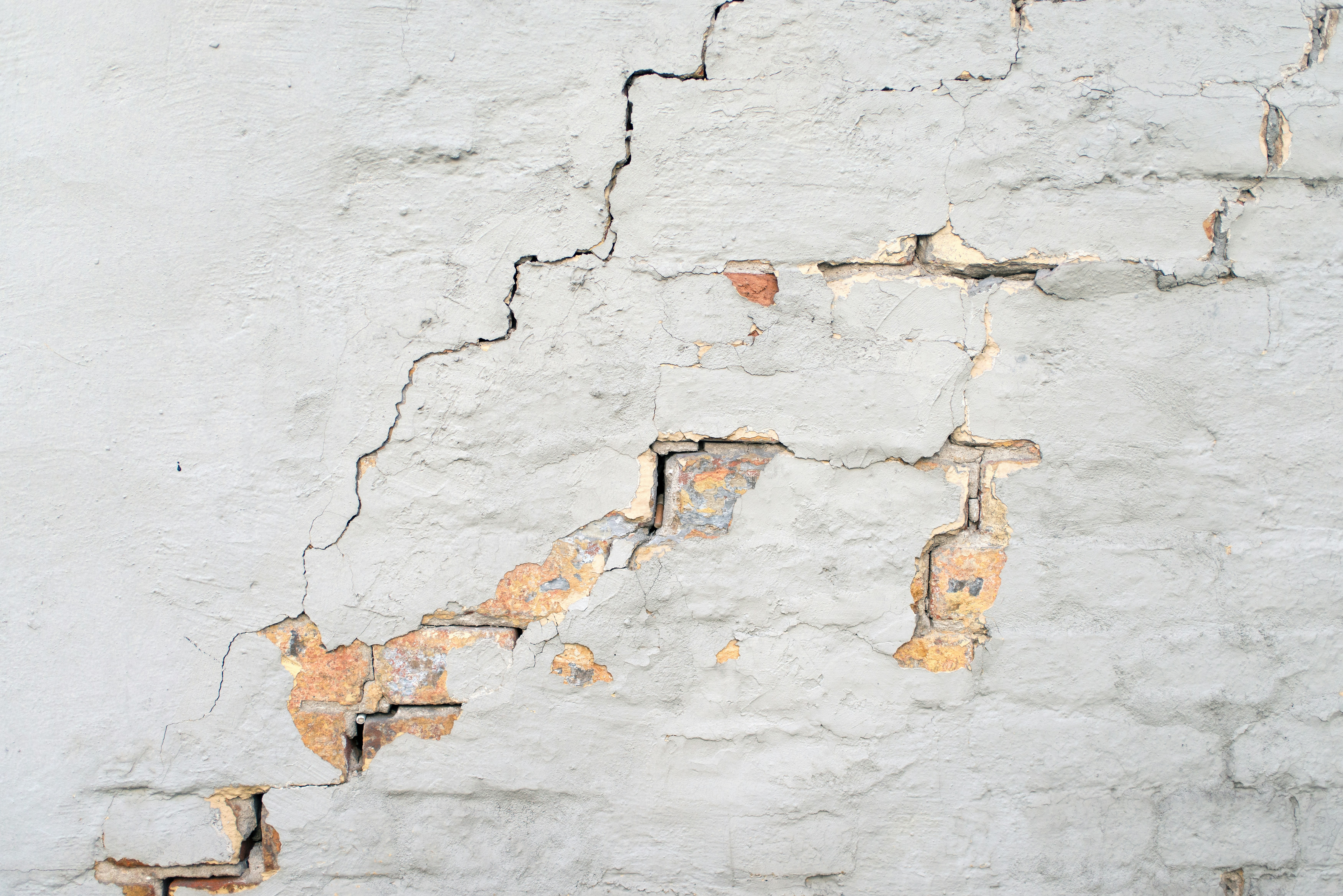
Minor hairline cracking can be caused by normal drying and movement; however, extensive cracking, diagonal patterns or repeated cracking may indicate structural movement or workmanship issues. Assessment generally considers build tolerances, material behaviour and whether the cracking falls within accepted limits.
2. Inadequate Falls to Wet Areas
Ensuite and bathroom floors should be graded to direct water toward the floor waste. Where falls are inadequate, water can pond or travel into unintended areas, causing damage over time. This is one of the most frequent and costly internal defects to rectify once tiling is complete.
3. Waterproofing Deficiencies
Incorrectly installed or incomplete waterproofing is a leading cause of leaks, staining and early deterioration. Failures often stem from improper membrane thickness, inadequate bond, incompatible materials or insufficient curing time before tiling. Once concealed, these issues typically require invasive investigation and full bathroom refurbishment to resolve.
4. Roof Drainage and Overflow Issues
Gutters, downpipes, sumps and overflows must manage rainfall effectively under typical WA weather conditions. Blocked, undersized or incorrectly installed components often contribute to ceiling stains, external wall dampness or roof-space moisture issues. Roof drainage performance is assessed in the context of design intent, NCC-based requirements and manufacturer recommendations.
5. Tiling and Grouting Defects
Common tiling issues include lippage (edges of tiles sitting above adjacent tiles), hollow-sounding tiles, poor grout lines, cracked tiles or missing movement joints. Poor substrate preparation and rushed installation are frequent contributors. While some issues are aesthetic, others affect durability and water management.
6. External Drainage and Surface Water Control
Incorrect falls to paving, inadequate site grading and poorly positioned downpipes can result in stormwater flowing toward the home rather than away from it. This can contribute to slab edge dampness, soil movement and premature deterioration of finishes or landscaping.
7. Painting and Finishing Quality
Visible roller marks, mismatched colours, overspray on fixtures, rough surfaces and insufficient coverage are common painting issues noted at handover. Many are cosmetic, but extensive inconsistency can significantly affect the perceived quality of a new home and may fall below reasonable expectations.
8. Carpentry and Door Alignment Issues
Doors that bind, rub, fail to latch or have inconsistent clearances can be the result of frame movement, poor installation or inadequate adjustment. Similar issues occur with skirtings and architraves where substrates are uneven or fixing has been rushed.
9. External Rendering or Plastering Defects
Hollow areas, uneven surfaces, cracking, discolouration and insufficient thickness are all encountered in rendered finishes. Poor preparation, inappropriate weather protection during curing and inconsistent application can all reduce durability and appearance.
10. Insulation Gaps and Inconsistencies
Insulation not installed to specification—missing sections, inconsistent coverage or compression—reduces energy performance and can contribute to thermal discomfort. Once linings are installed, these issues are difficult to detect without invasive inspection.
When to Seek an Independent Inspection
Some defects are minor and easily addressed, while others may indicate underlying problems with construction quality or compliance. An independent building inspection provides an objective view of workmanship and identifies defects early, allowing builders to rectify them before they cause further damage or escalation into formal disputes.
How Defects Are Assessed
Defect assessments typically consider the NCC performance and deemed-to-satisfy provisions, relevant Australian Standards, WA guidance documents and manufacturer installation requirements, along with construction sequencing and site conditions. Clear, evidence-based reporting helps owners understand the severity of issues and supports transparent communication with the builder.
If you are concerned about defects in a new home, BuildNex WA can provide an independent, practical assessment and clear recommendations for next steps.