Technical Building Diagnostics
Specialised Building Investigations & Defect Diagnostics
When standard building inspections do not provide the answers, BuildNex WA undertakes detailed technical investigations to identify the likely cause of complex defects, recurring water ingress, moisture problems and building performance issues.
Our investigations focus on understanding why the problem is occurring — not simply documenting that damage exists.
When the cause is unclear
Some defects are symptoms — not the real problem.
Water stains, cracking, mould, damp areas and surface deterioration often indicate a deeper building performance issue. The visible defect may be some distance from the actual cause, particularly where water travels through cavities, roof spaces, window junctions, wall systems or concealed construction elements.
BuildNex WA provides focused investigations for homeowners, strata managers, builders, developers, insurers and legal representatives who require clear, evidence-based guidance before committing to rectification works or escalating a matter into dispute.
When to engage BuildNex WA
When a Standard Inspection Is Not Enough
A specialised investigation is suitable where the issue is persistent, complex, disputed or difficult to explain from a simple visual inspection.
Nobody Can Find the Leak
Water is entering the building, but the source is unclear or previous inspections have not identified the cause.
Repairs Have Not Solved It
Rectification works have been attempted, but the defect, dampness or staining continues to return.
Multiple Trades Disagree
Builders, roofers, plumbers or waterproofers have provided different explanations and an independent view is required.
Moisture or Mould Keeps Returning
Visible mould, damp materials or musty odours may relate to leaks, condensation, ventilation, plumbing or envelope defects.
Cracking or Movement Is Concerning
Cracks, deflection, settlement indicators or misalignment require assessment of likely cause and potential significance.
You Need Answers Before Spending
Independent diagnosis can help avoid unnecessary repairs by identifying the likely cause and practical next steps.
What we investigate
Complex Building Defects & Performance Issues
Water Ingress & Building Envelope
Investigation of leaks, façade issues, roof/wall junctions, window interfaces, flashings, cladding and concealed water paths.
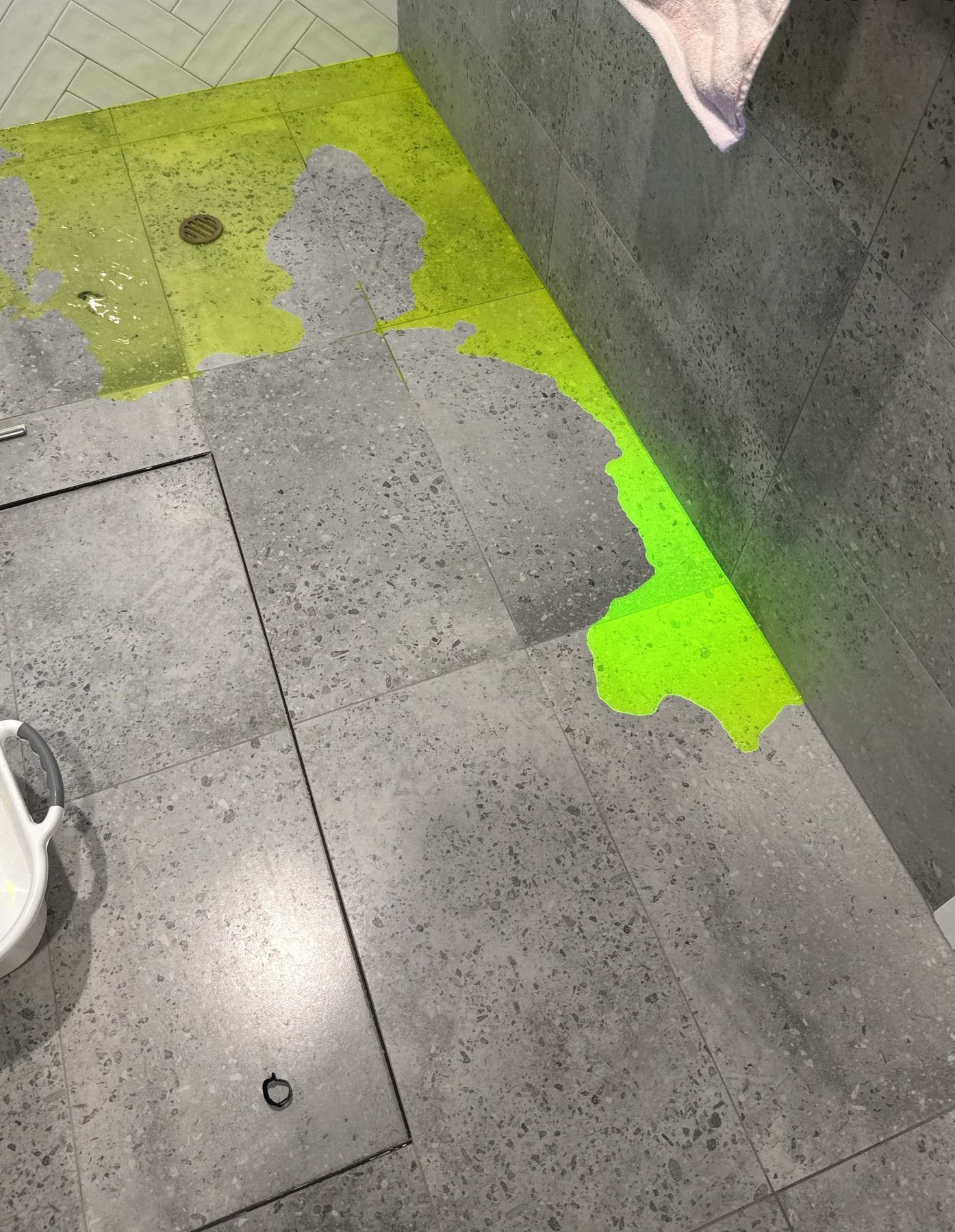
Waterproofing & Wet Area Failures
Assessment of wet areas, balconies, showers, membrane failure indicators, falls, ponding and likely water migration pathways.
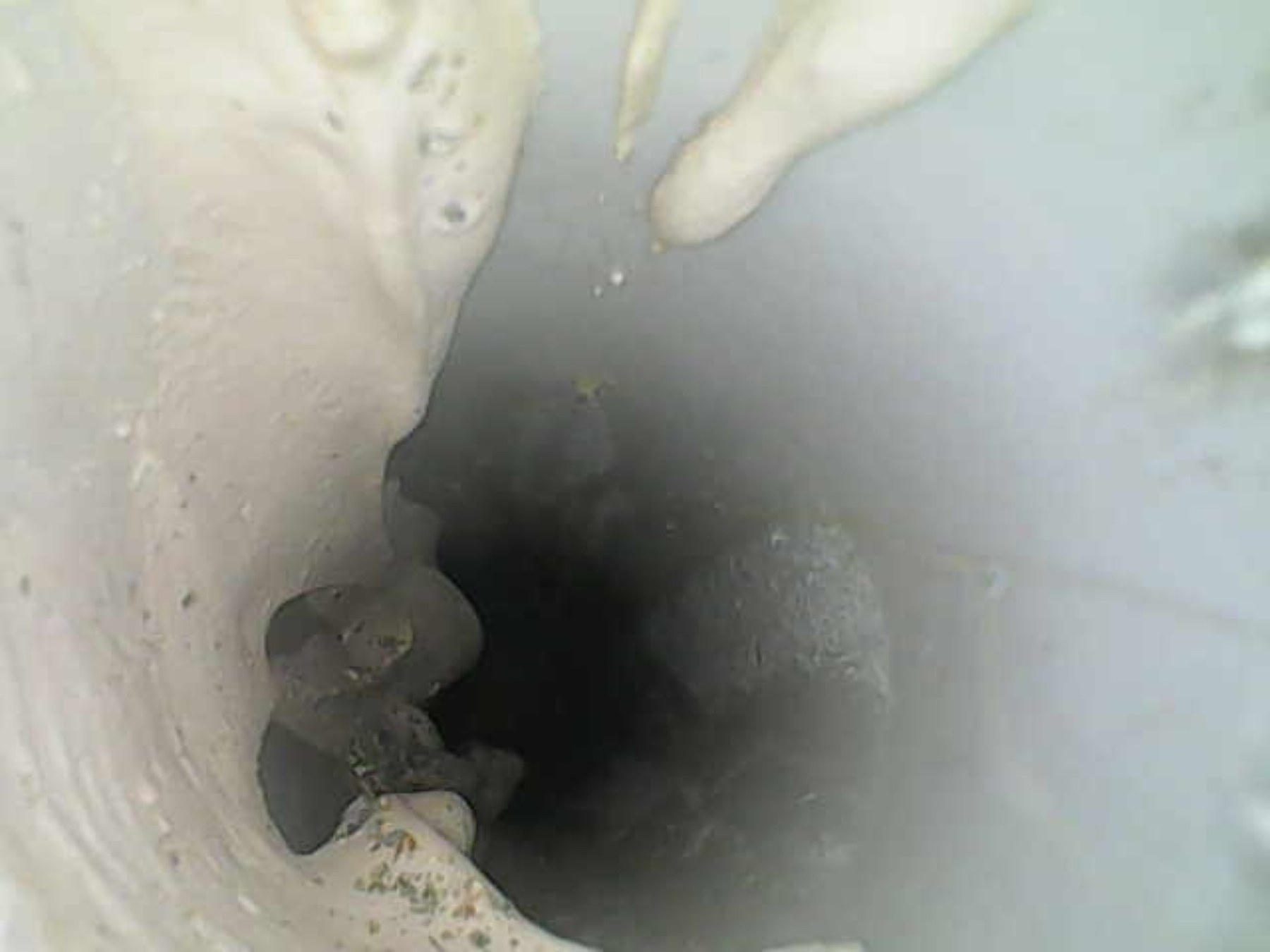
Roof Leaks & Drainage Performance
Assessment of roof drainage, overflow provisions, gutters, downpipes, penetrations, roof junctions and rainwater performance issues.
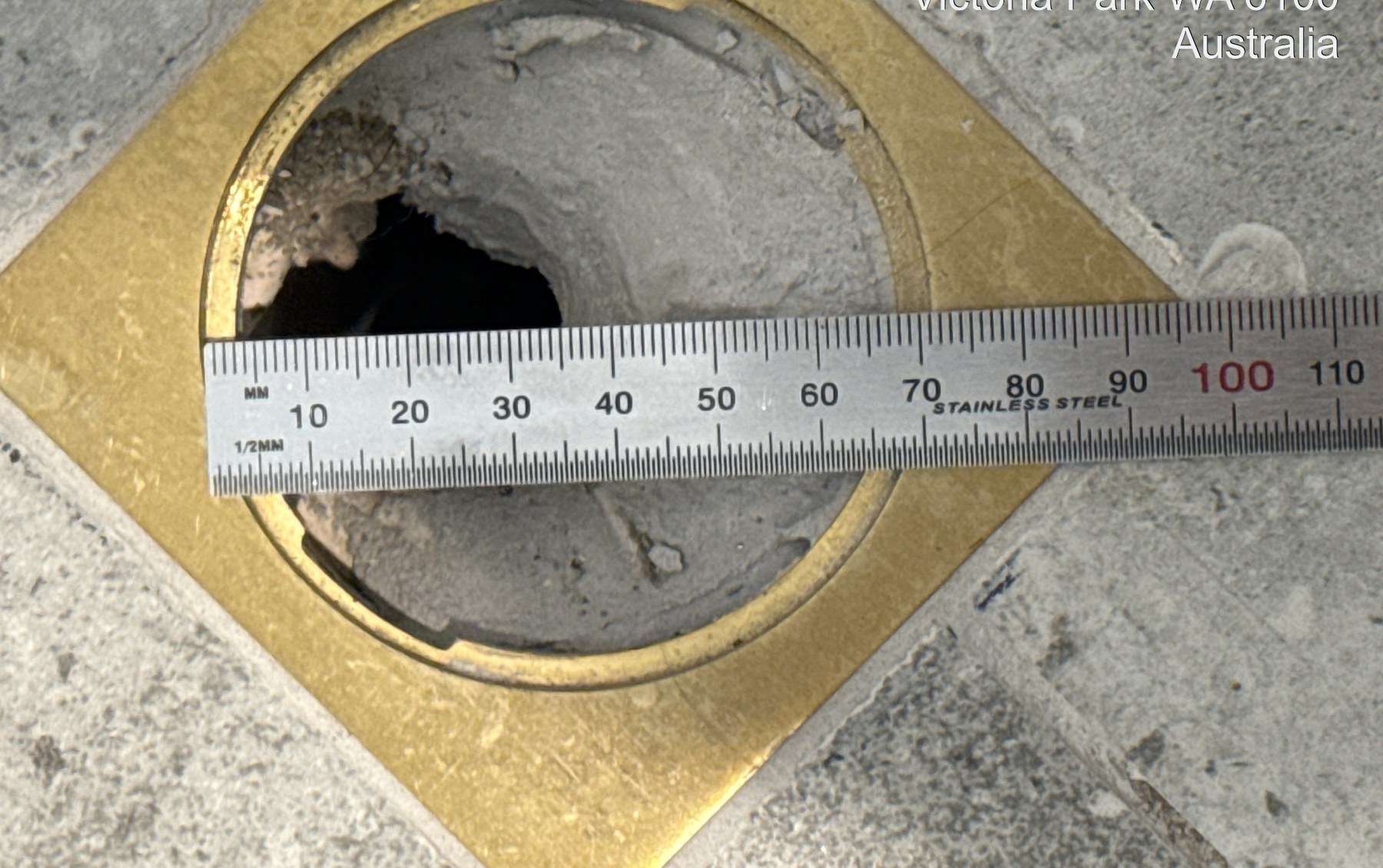
Drainage, Falls & External Works
Investigation of surface water, paving falls, courtyard drainage, pool surrounds, floor wastes, ponding and runoff behaviour.
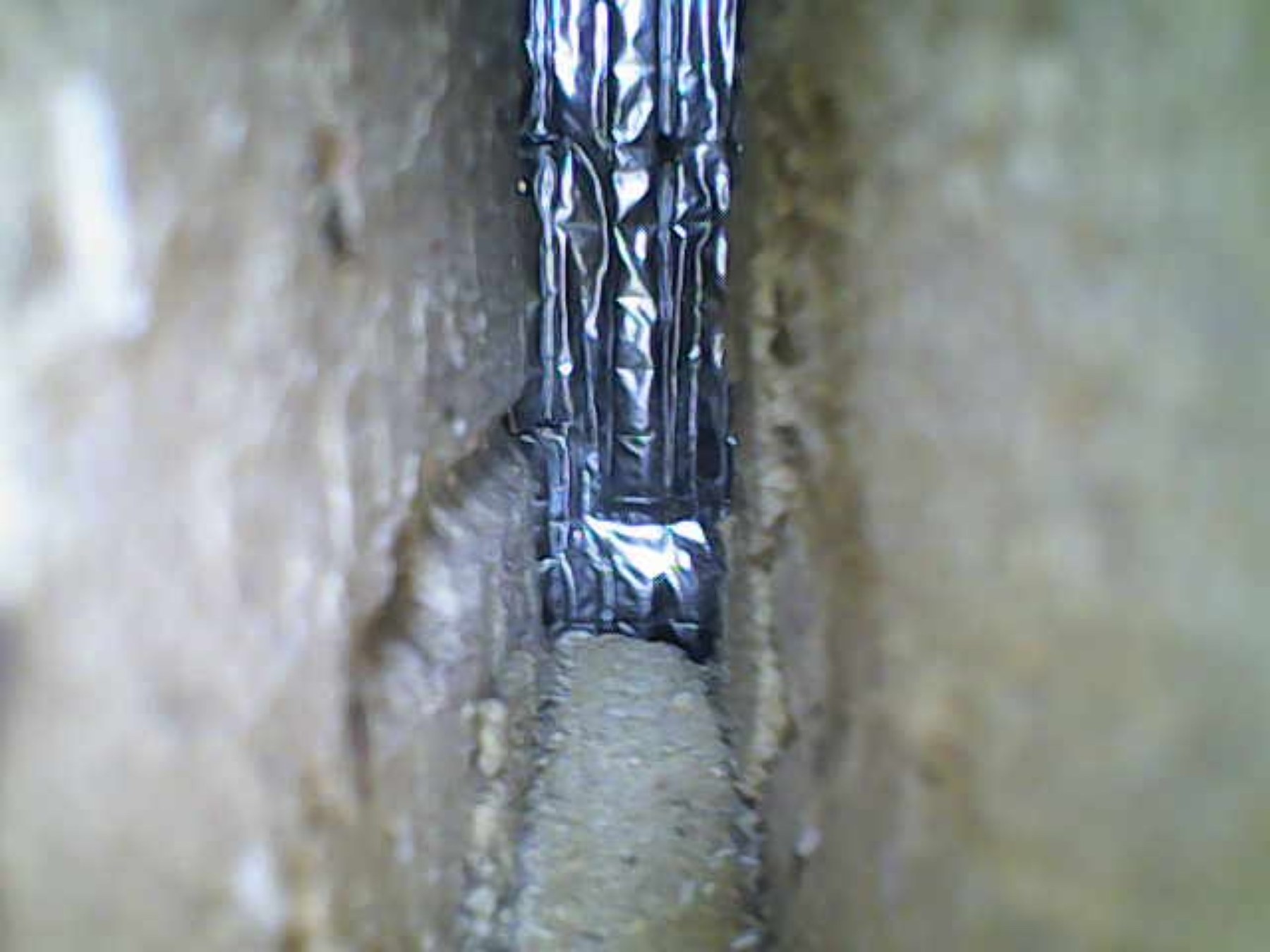
Concealed Defects & Borescope Review
Targeted review of concealed areas where visual access is limited and further diagnostic evidence is required.
Moisture, Mould & Condensation
Distinguishing likely moisture sources including leaks, condensation, ventilation issues, plumbing defects and environmental factors.
Diagnostic methodology
Our Technical Approach
Effective defect diagnosis requires more than identifying visible damage. Each investigation considers the building history, construction methodology, environmental exposure, drainage behaviour, previous repairs, compliance requirements and observable evidence.
Diagnostic equipment can assist the investigation, but it does not replace practical construction knowledge. The critical step is interpreting the evidence in the context of how the building was designed, constructed and has performed over time.
Investigation tools
Diagnostic Technology Where Appropriate
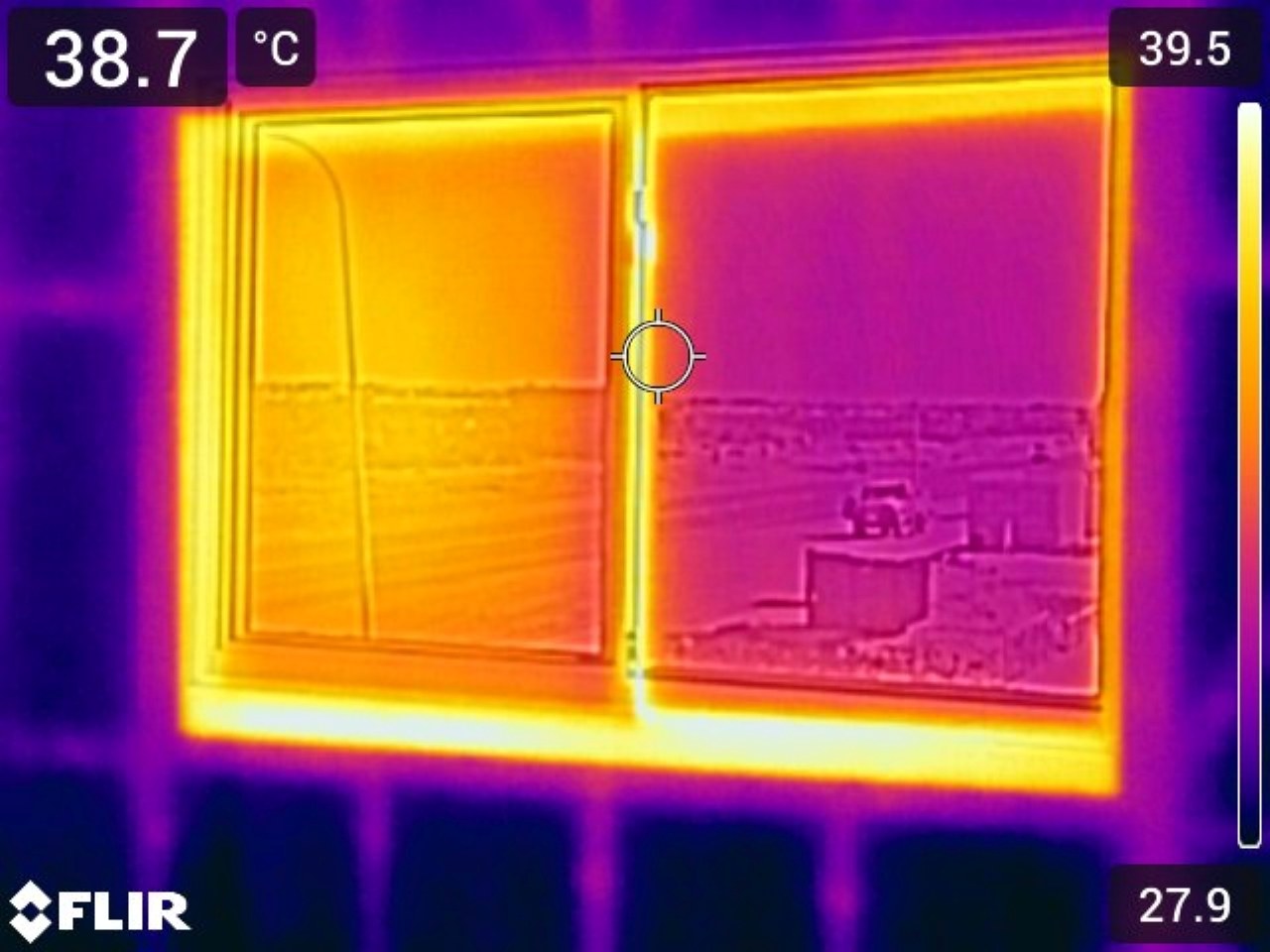
Depending on the issue, investigations may utilise non-invasive diagnostic tools to support the assessment and help identify likely moisture paths, thermal anomalies, concealed defects or measurement-based evidence.
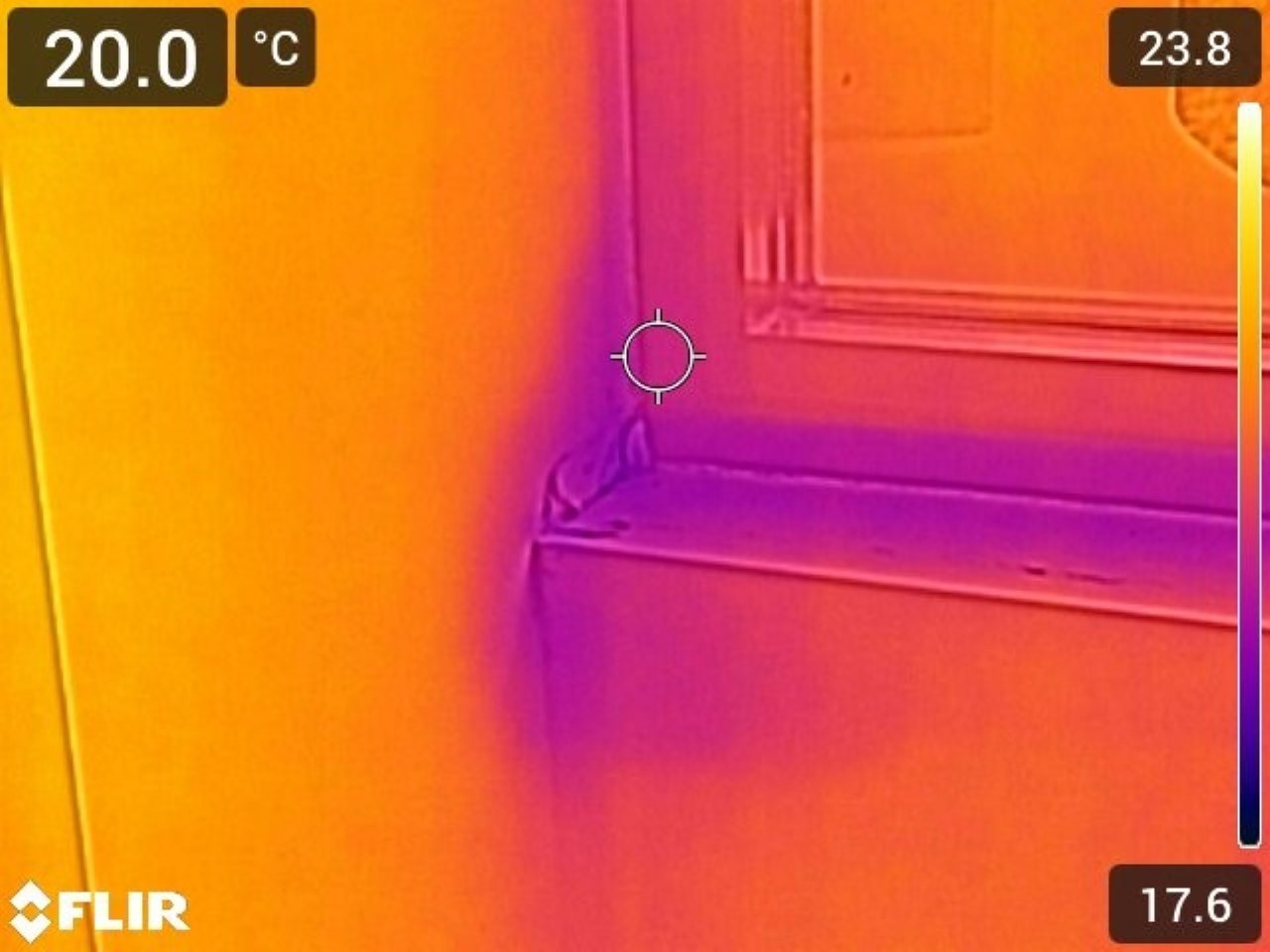
Thermal Imaging
Used to identify temperature anomalies that may indicate moisture, air leakage, insulation issues or concealed building performance defects.
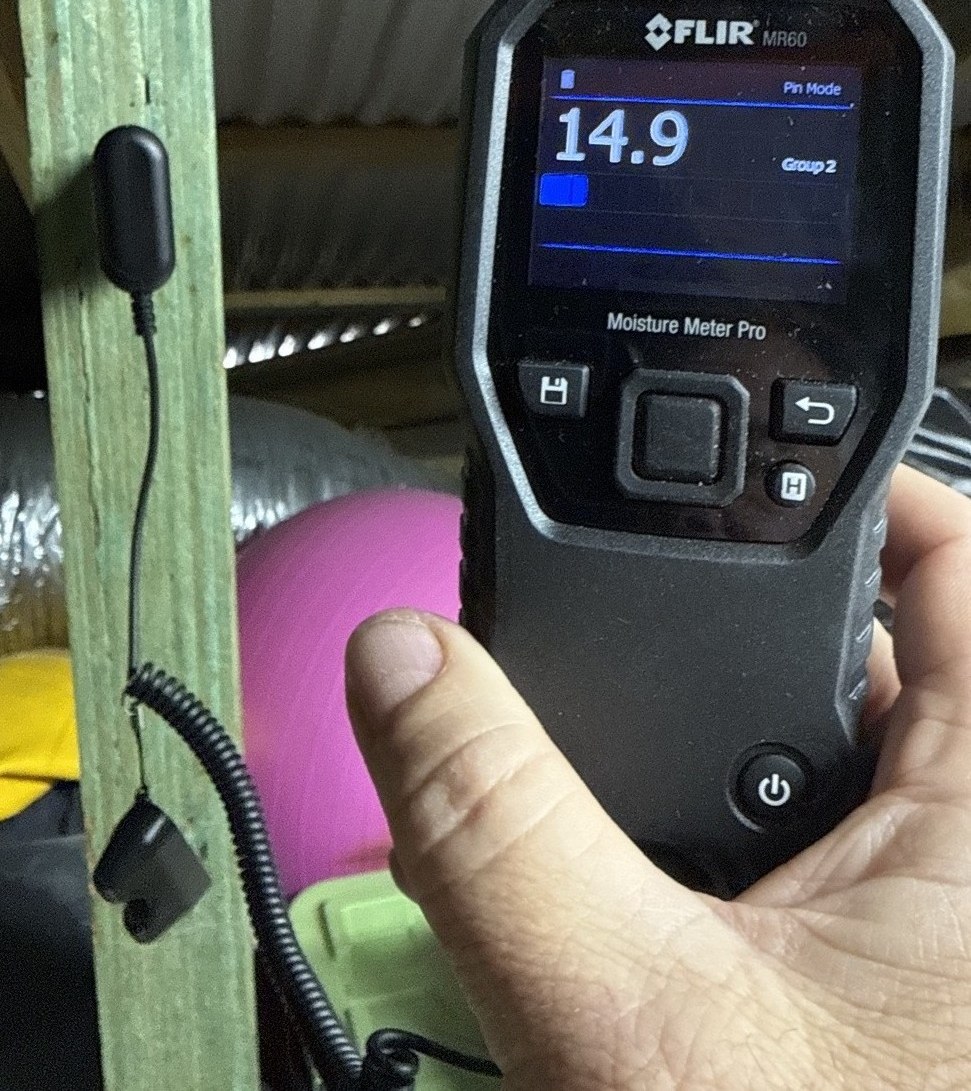
Moisture Mapping
Moisture readings can assist in identifying affected areas, likely spread patterns and locations requiring further investigation.
Borescope Review
Targeted review of concealed spaces where inspection access is limited and further evidence is required before opening works.
Precision Measurement
Levels, measurements and visual mapping can help assess falls, movement, deflection, tolerances and drainage performance.
How we investigate
Investigation Process
Understand the History
We identify when the issue first appeared, what repairs have been attempted and what conditions make the defect worse or more visible.
Review Available Documents
Where available, drawings, specifications, reports, photographs, repair records and correspondence are reviewed to understand the context.
Targeted Site Investigation
We inspect the relevant areas, collect evidence, take measurements and use diagnostic tools where appropriate to support the assessment.
Identify Likely Causes
Observed evidence is assessed against construction knowledge, compliance requirements, site conditions and likely defect pathways.
Consider Alternative Explanations
Where there are multiple possible causes, these are considered and either supported, excluded or identified as contributing factors.
Report Findings & Next Steps
Findings are documented with photographs, explanation of likely cause and practical recommendations for rectification or further testing.
Representative investigation areas
Experience Across Complex Defect Matters
BuildNex WA has experience investigating complex and recurring building issues across residential, multi-residential, strata and low-rise commercial settings. The objective is to provide technically grounded findings that assist owners, builders, strata managers and advisers to make informed decisions.
Clear scope and appropriate referrals
When Further Testing or Expert Reporting Is Required
Some matters require laboratory testing, destructive investigation, engineering assessment, plumbing testing, specialist trade input or legal-format expert reporting. Where these are required, BuildNex WA can identify the need for further investigation and help define an appropriate scope.
If a dispute develops, the findings from a specialised investigation can often be expanded into a formal Expert Witness Report suitable for negotiations, insurers, lawyers or SAT (WA) proceedings.
Frequently asked questions
Specialised Investigation FAQs
Can you determine the exact cause of a leak or defect?
In many cases, the likely cause can be identified based on evidence, construction knowledge and diagnostic assessment. Where multiple causes or concealed conditions exist, these will be clearly explained.
Do you undertake destructive testing?
Investigations are generally non-invasive unless otherwise agreed. If destructive investigation is required, this can be scoped separately and coordinated with the appropriate trades or specialists.
Can you investigate mould and moisture issues?
Yes. BuildNex WA can assess likely moisture sources and building-related contributors to mould-prone areas, including leaks, condensation, ventilation, waterproofing and building envelope issues.
Can the report be used with builders, insurers or lawyers?
Yes. Investigation reports can support discussions with builders, insurers, strata managers or legal advisers. If formal expert evidence is required, a separate expert witness reporting scope can be prepared.
Do you inspect apartments and strata properties?
Yes. BuildNex WA investigates defects across houses, townhouses, apartments, common property and low-rise commercial buildings throughout Perth and Western Australia.
What information should I provide before the inspection?
Useful information includes photographs, previous reports, repair records, builder correspondence, drawings, dates when the issue occurs and any conditions that appear to make the issue worse.
Need Answers About a Complex Building Defect?
BuildNex WA provides targeted building investigations and defect diagnostics to identify likely causes, contributing factors and practical next steps for complex or recurring building issues.
Request an Investigation Discuss Your Building Issue