
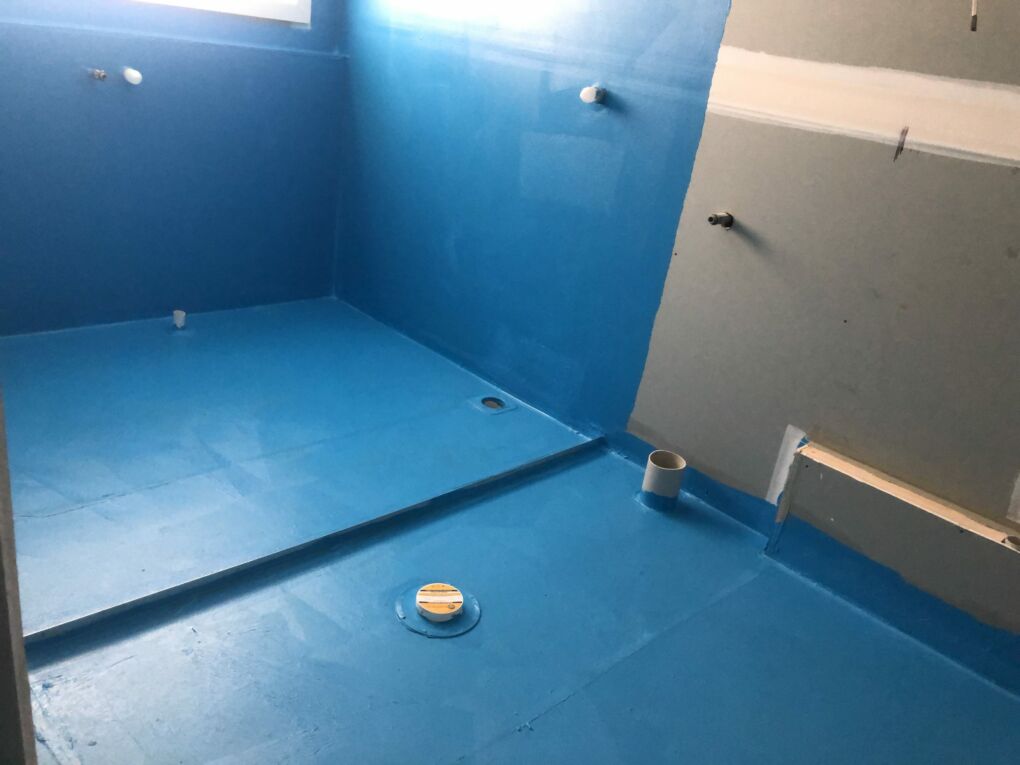
Waterproofing failures are among the most common—and most expensive—defects found in residential construction. This case study outlines a typical scenario encountered in Western Australian homes: an ensuite shower leak that appeared only a few months after handover.
While every project is unique, the pattern of issues in this example is common. It demonstrates how a single weakness in sequencing or supervision can lead to major rectification work and reinforces the importance of proper trade coordination, installation and quality control.
Background
The homeowner reported intermittent water staining on the ceiling of the room below the ensuite. Initially, the builder suggested this might be related to normal bathroom use and surface moisture. However, the staining continued to worsen and was accompanied by minor swelling to the ceiling lining, prompting further investigation.
Inspection Findings
A targeted inspection of the ensuite revealed several concerns.
1. Inadequate Falls in the Shower Area
The shower floor was not adequately graded toward the waste. Water was able to pond near wall junctions and at the shower perimeter, increasing the likelihood of moisture tracking into vulnerable areas.
2. Membrane Termination Defects
Where visible, the waterproofing membrane had not been carried up behind the wall tiles to the expected height. In addition, sample areas showed sections where the membrane had pulled away from the substrate, suggesting poor adhesion or movement at the junction.
3. Poor Curing Conditions
Builder records and trade sequencing indicated that tiles were installed shortly after the membrane was applied, with other trades walking across the surface during fit-out. This increased the risk of scuffing, pinholes and reduced film thickness.
4. Lack of Bond Breakers or Movement Treatment
Critical wall–floor junctions showed no evidence of flexible bond breakers or appropriate sealant detail prior to waterproofing. Rigid tile finishes were then installed over rigid junctions, making cracking more likely and providing a pathway for moisture.
Cause of Failure
The failure was not caused by a single defect but by a combination of issues:
- Inadequate falls in the shower base.
- Insufficient membrane coverage and termination height.
- Potential damage to the membrane during construction and before full cure.
- Lack of bond breaker or movement treatment to critical junctions.
Collectively, these factors allowed water to escape the intended wet area envelope and migrate into the structure and ceiling below.
Correct Construction Method
A compliant and durable ensuite waterproofing system generally requires:
- Substrate preparation and cleaning to remove dust and contaminants.
- Falls constructed toward the waste prior to waterproofing.
- Primer compatible with the selected membrane.
- Installation of flexible bond breakers at all wall–floor and similar junctions.
- Membrane applied to the manufacturer’s specified thickness, typically in multiple coats.
- Full cure time allowed before tiling or traffic.
- Protection of the membrane during subsequent trades.
When these steps are followed and documented, the risk of failure is greatly reduced, and disputes are far less likely to arise.
Rectification Approach
In this case, rectification required:
- Removing tiles and screed within the shower area.
- Repairing or re-forming the substrate falls.
- Reapplying waterproofing in accordance with manufacturer instructions.
- Re-tiling and re-grouting the area.
- Repairing and repainting ceiling linings below.
Total rectification cost significantly exceeded what would have been required for proper initial installation and supervision.
Lessons for Builders and Trades
This case reinforces several key points:
- Sequencing and supervision are just as important as product selection.
- Waterproofing should never be rushed to meet a short program.
- Following manufacturer instructions is essential for durability and compliance.
- Simple QA checks—such as verifying falls, membrane coverage and cure time—can prevent high-cost failures.
- Photo documentation and site records provide valuable evidence if a dispute arises.
For homeowners and builders alike, early independent inspections of wet areas can identify risks before they are concealed, reducing both cost and disruption later.